
 By istorija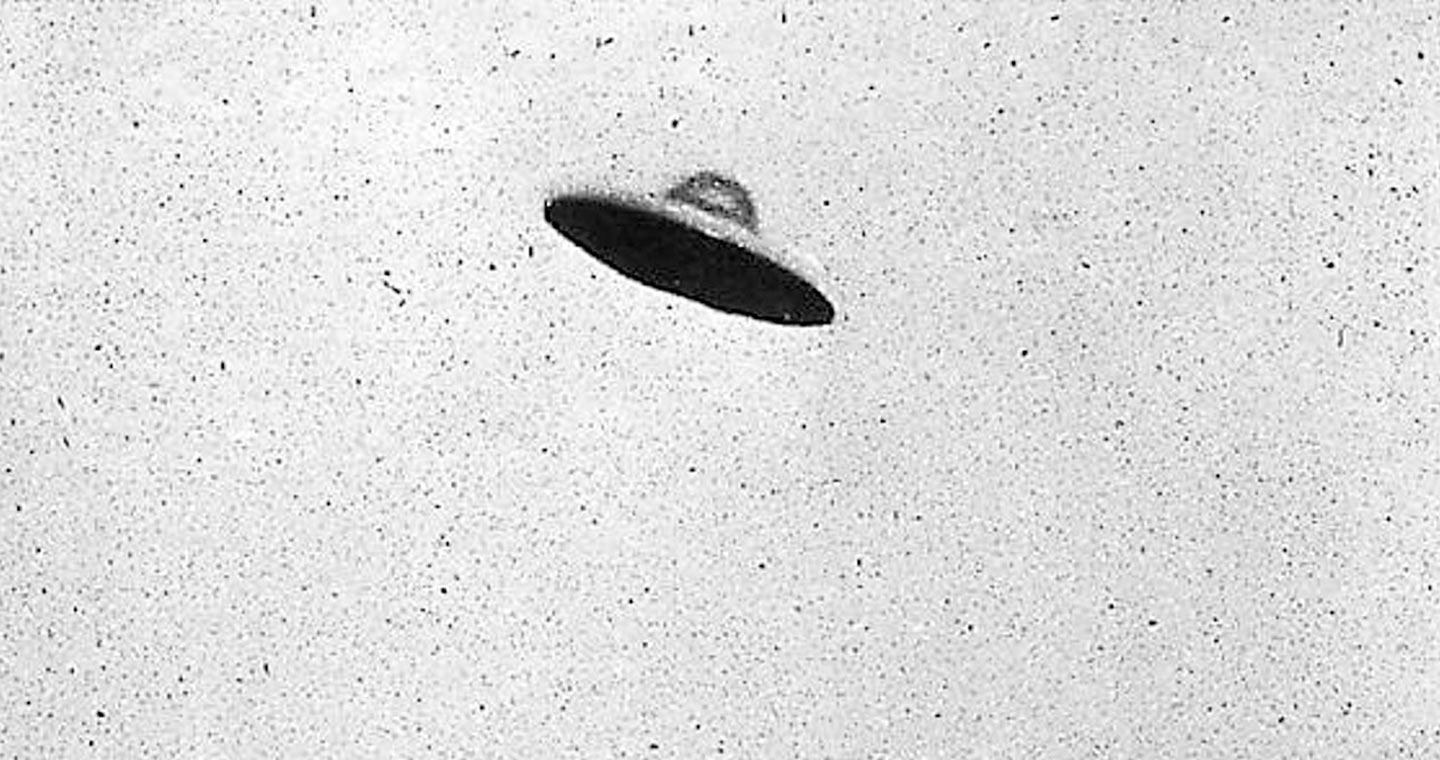
The term UFO (Unidentified Flying Object) was officially introduced by the United States Air Force in 1953 to replace the more sensational “flying saucer.” Its purpose was simple: to describe any airborne object that could not be immediately identified, without implying an extraterrestrial origin. Over time, however, “UFO” became almost synonymous with alien spacecraft in popular culture. Today, the U.S. government prefers the term UAP (Unidentified Aerial Phenomena) to reduce stigma and encourage serious reporting.
Despite decades of sightings, official investigations, and recent high-profile disclosures, the core question remains unanswered: Are some UAPs genuinely unexplained, or are they all misidentifications, secret technology, or natural phenomena? This article examines the major milestones, from Roswell to the latest whistleblower claims, incorporating the most recent developments up to early 2026.
The Roswell Incident (1947) – The Spark That Lit the Fire
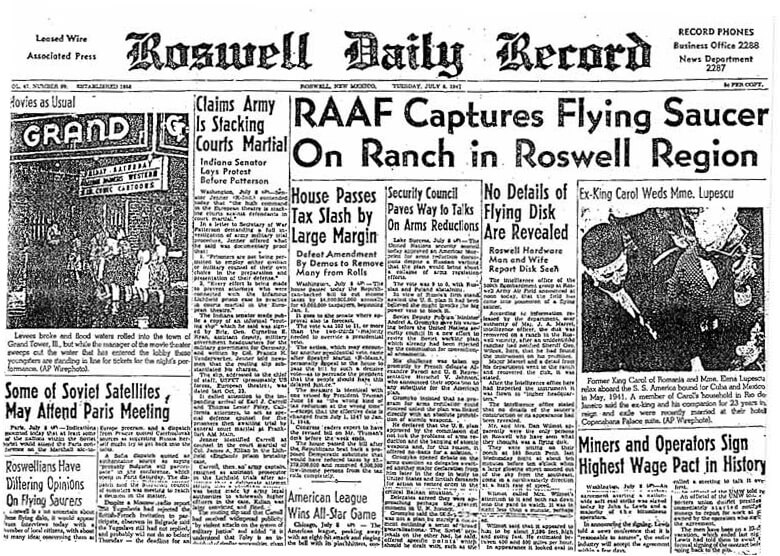
In early July 1947, rancher Mac Brazel discovered unusual debris on his property near Roswell, New Mexico. He reported it to the local sheriff, who contacted Roswell Army Air Field. On July 8, the base issued a press release stating they had recovered a “flying disc.” The next day, the military retracted the statement, claiming the debris was from a weather balloon.
This rapid reversal ignited decades of suspicion. The Roswell Incident became the foundational event of modern UFO lore, establishing a recurring pattern: initial excitement followed by official denial and accusations of cover-up. While the U.S. Air Force later explained the debris as coming from Project Mogul (a top-secret program using high-altitude balloons to detect Soviet nuclear tests), many researchers and the public remain unconvinced.
Bob Lazar and Area 51 – The Whistleblower Who Changed Everything
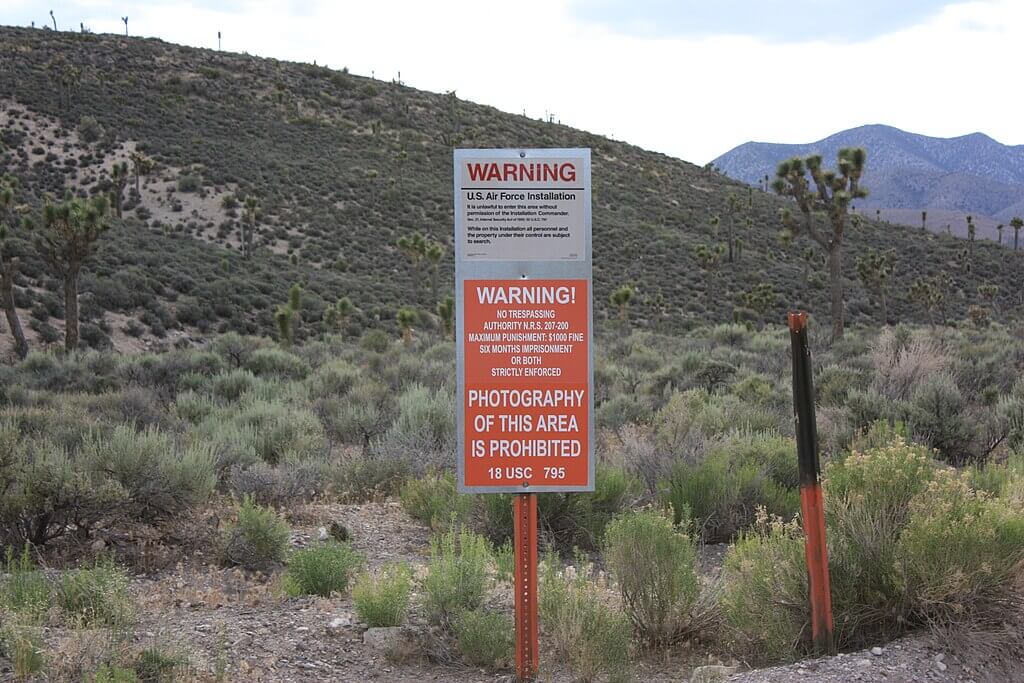
In 1989, a man named Bob Lazar appeared in a Las Vegas television interview under the pseudonym “Dennis.” He claimed to have worked at a secret facility called S-4, located near Area 51 in Nevada, where the U.S. government was reverse-engineering alien spacecraft.
Lazar described nine flying saucers, an anti-gravity propulsion system powered by a stable isotope of Element 115 (Moscovium), and said the craft used gravity amplification. At the time, Element 115 had not yet been synthesized (it was created in 2003). Supporters point to this as compelling evidence; critics argue Lazar’s educational and employment background could not be independently verified.
Lazar’s testimony thrust Area 51 into the global spotlight and remains one of the most influential and divisive claims in UFO history. To this day, no hard evidence has confirmed or definitively debunked his story.
Key Cases That Shaped the Phenomenon
- 1952 Washington D.C. UFO Incident (“Washington Flap”): Multiple radar contacts and visual sightings of strange lights over the U.S. capital. Jets were scrambled, but the objects outmaneuvered them. The Air Force eventually attributed the events to temperature inversions, but the case remains one of the most documented mass sightings.
- 1961 Betty and Barney Hill Abduction: The first widely publicized alien abduction case in the U.S. The couple claimed they were taken aboard a craft and subjected to medical examinations. Their story, recalled under hypnosis, introduced the abduction narrative to mainstream culture.
- 1975 Travis Walton Abduction: A logger in Arizona claimed he was abducted while his coworkers watched. Walton reappeared after five days. Several witnesses passed polygraph tests. The case remains one of the most controversial and thoroughly investigated abduction claims.
- 2004 USS Nimitz “Tic Tac” Encounter: U.S. Navy pilots from the aircraft carrier Nimitz recorded radar and infrared footage of a white, Tic Tac-shaped object that exhibited extreme speed and maneuverability, descending from 80,000 feet to sea level in seconds. The incident was confirmed by the Pentagon in 2017 and remains one of the most credible military UAP cases.
Modern Whistleblowers and Official Disclosures (2017–2026)
The landscape changed significantly after 2017 when The New York Times revealed the existence of the Pentagon’s secret Advanced Aerospace Threat Identification Program (AATIP). Since then, the U.S. government has gradually increased transparency:
- 2021–2023 UAP Task Force Reports: The Pentagon released preliminary assessments admitting that many UAP incidents could not be explained. Some objects demonstrated technology far beyond known human capabilities.
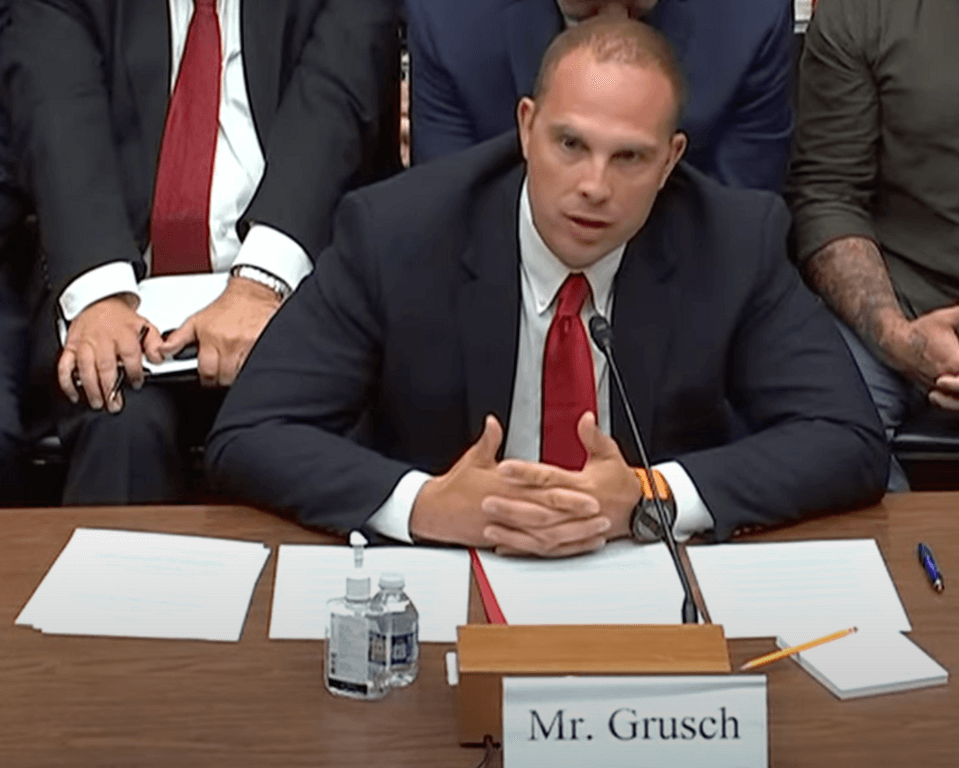
- David Grusch Testimony (2023): Former intelligence official David Grusch testified before Congress that the U.S. government possesses “non-human” craft and biologics from crash retrieval programs. He claimed these programs operate outside congressional oversight. The Pentagon denied the allegations, stating no verifiable evidence was found. Grusch maintains he was retaliated against for coming forward.
- Recent Developments (2024–2026): Multiple congressional hearings have taken place. In early 2026, new whistleblower accounts and leaked documents continue to fuel speculation. While no definitive proof of extraterrestrial origin has been publicly presented, the number of credible military pilot testimonies has grown. The Pentagon’s All-domain Anomaly Resolution Office (AARO) continues to investigate, but critics argue it lacks full access to classified special access programs.
Trump’s Promises and JD Vance’s “Demons” Statement
During his presidential campaigns and presidency, Donald Trump repeatedly hinted at UFO/UAP disclosure. He stated he had been briefed on the topic and suggested he might release information, though no major declassification occurred during his term. In 2024–2025 interviews, Trump again teased that “something interesting” would be revealed if he returned to office, keeping the topic alive in public discourse.
In early 2026, Vice President JD Vance made headlines with a provocative comment. When asked about UAPs during a podcast appearance, Vance reportedly said that some of the phenomena being observed “aren’t just technological — some of them feel demonic.” He quickly clarified that he was speaking metaphorically about the unknown and potentially malevolent nature of certain encounters, but the remark sparked intense debate. Critics accused him of injecting religion into a national security issue, while supporters saw it as a candid acknowledgment that not everything can be explained through conventional science or foreign adversaries.
Where We Stand in 2026
The Pentagon’s All-domain Anomaly Resolution Office (AARO) continues to investigate hundreds of new reports. While most cases are explained as drones, balloons, aircraft, or sensor artifacts, a small but persistent percentage remain genuinely unidentified — particularly those involving military pilots with multi-sensor confirmation.
No public, verifiable evidence has proven extraterrestrial origin. At the same time, the government has moved from outright denial to cautious acknowledgment that some phenomena deserve serious scientific and national security attention.
Currently Reading


Historical Challenge: Can You Conquer the Past?
Answer more than 18 questions correctly, and you will win a copy of History Chronicles Magazine Vol 1! Take our interactive history quiz now and put your knowledge to the test!