
 By istorija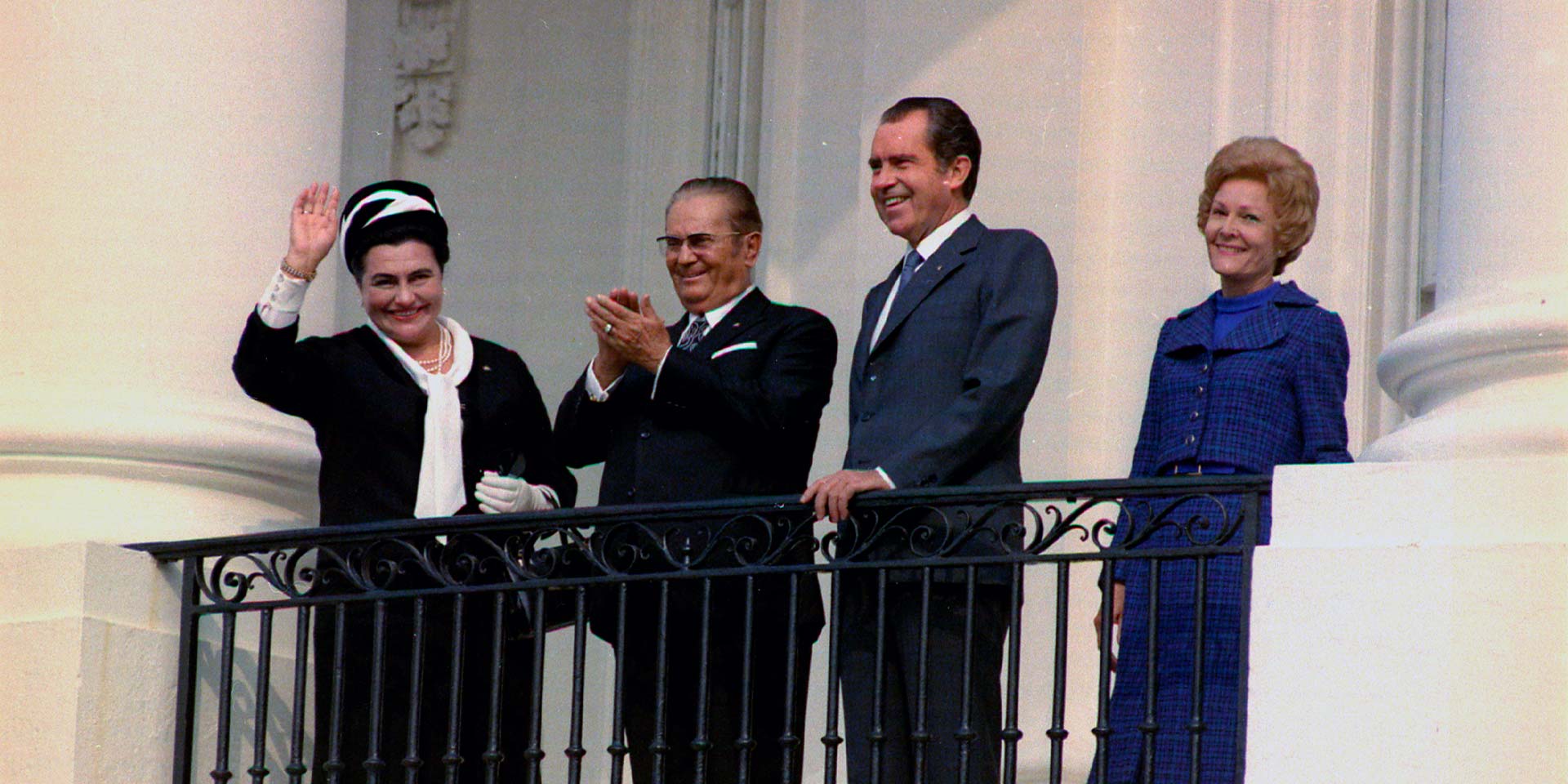
The period known as Tito’s Yugoslavia (1945–1980) was one of the most distinctive and ambitious political experiments of the 20th century. Under the leadership of Josip Broz Tito, Yugoslavia became the only socialist country in Europe that successfully broke away from Soviet domination, developed its own model of self-management socialism, and played a leading role in the Non-Aligned Movement. For many of its citizens, these decades represented a golden age of relative prosperity, social mobility, and freedom compared to the rest of the Eastern Bloc.
This article traces the birth, development, and unique characteristics of Tito’s Yugoslavia, from the unification of the South Slavs to the death of its founder in 1980.
The Birth of Yugoslavia: From Kingdom to Socialist Federation
The idea of a united South Slavic state had deep roots. Intellectuals in the 19th century, through movements like the Illyrian Movement, dreamed of uniting Serbs, Croats, Slovenes, and other South Slavs. World War I provided the opportunity. After the collapse of the Austro-Hungarian Empire, the Kingdom of Serbs, Croats, and Slovenes was proclaimed on December 1, 1918. In 1929 it was renamed the Kingdom of Yugoslavia.
The first Yugoslavia was a fragile monarchy plagued by ethnic tensions and centralization. It was destroyed in April 1941 when Axis forces invaded and dismembered the country.
During World War II, two major resistance movements emerged: the royalist Chetniks led by Draža Mihailović and the communist Partisans led by Tito. The Partisans ultimately prevailed due to their multi-ethnic appeal, effective guerrilla warfare, and growing Allied support. By May 1945, they had liberated the country almost entirely by their own efforts.
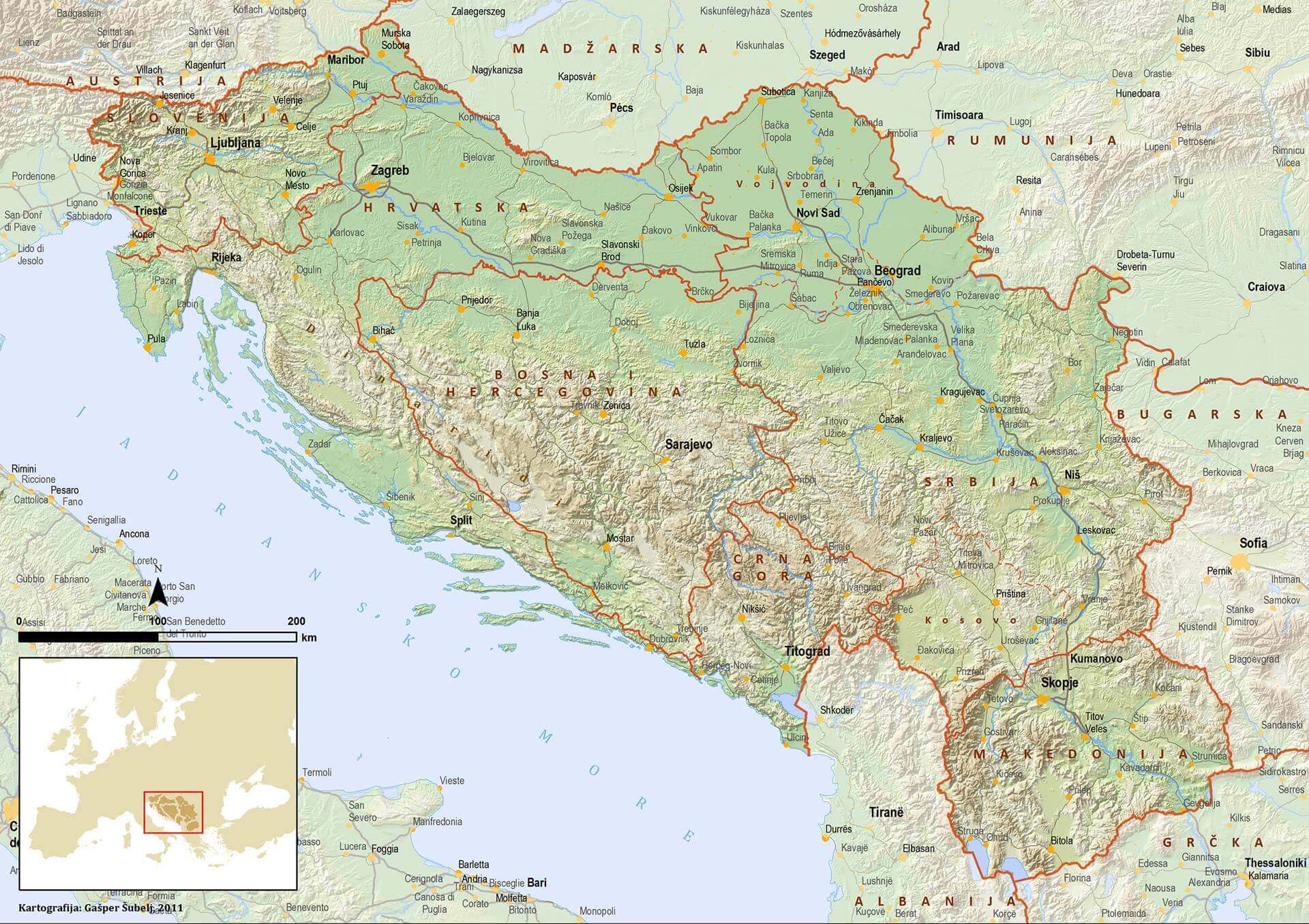
In 1945, the Socialist Federal Republic of Yugoslavia was established as a federation of six republics (Slovenia, Croatia, Bosnia and Herzegovina, Serbia, Montenegro, and Macedonia) and two autonomous provinces within Serbia (Vojvodina and Kosovo). This federal structure was designed to balance ethnic differences while maintaining central control under the Communist Party.
Tito’s Rise and the Historic Break with Stalin (1948)
Josip Broz Tito was born in 1892 in Kumrovec, Croatia. A metalworker and veteran of World War I, he joined the Communist Party early and rose through its ranks. During the Spanish Civil War, he helped organize Yugoslav volunteers. By 1937 he was General Secretary of the Communist Party of Yugoslavia.
After leading the Partisans to victory in WWII, Tito became the undisputed leader of the new socialist state. In 1948 came the defining moment of his career: the Tito-Stalin split. Refusing to accept Soviet domination and criticizing Stalin’s interference, Tito broke with the USSR. Yugoslavia was expelled from the Cominform and faced economic blockade and the threat of invasion.
This break forced Tito to chart an independent path. He introduced workers’ self-management, a system in which workers’ councils had significant say in running enterprises. Although still under one-party rule, it was far more decentralized and market-oriented than the Soviet model. The split also pushed Yugoslavia toward the West for economic aid while maintaining its socialist identity.
The Golden Age: Self-Management, Non-Alignment, and Relative Prosperity
The 1960s and 1970s are often remembered as Yugoslavia’s golden age:
- Economic growth was impressive. Self-management combined with Western loans and technology transfers produced solid industrial development and rising living standards.
- Personal freedoms were greater than in other socialist countries. Yugoslavs could travel freely to the West, consume Western culture, and enjoy a relatively open society.
- Non-Aligned Movement: In 1961, together with Nehru (India), Nasser (Egypt), Sukarno (Indonesia), and Nkrumah (Ghana), Tito co-founded the Non-Aligned Movement. Yugoslavia became a respected voice in global affairs, balancing between East and West.
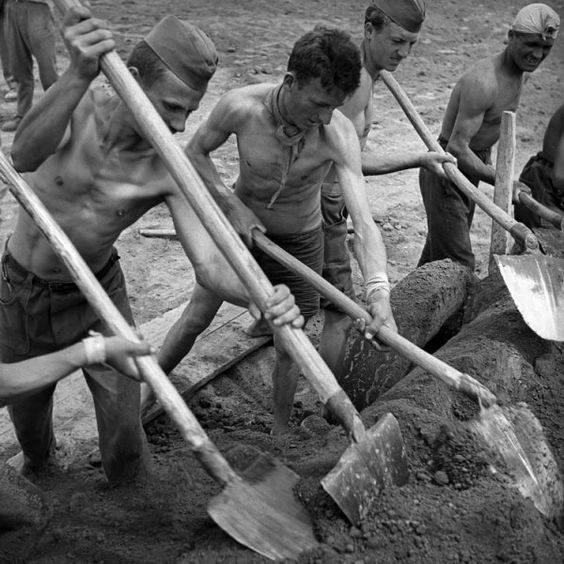
The slogan “Brotherhood and Unity” (Bratstvo i jedinstvo) was more than propaganda. After the horrors of WWII, many citizens genuinely believed in a shared Yugoslav identity that transcended ethnic lines. Massive youth work actions (Omladinske radne akcije), such as the construction of the Brčko–Banovići railway and the Belgrade–Niš highway, symbolized this spirit of collective rebuilding.
The End of an Era
When Tito died on 4 May 1980, his funeral was one of the largest state funerals in history, attended by leaders from both blocs. His death left a power vacuum. The 1980s brought rising economic problems, growing nationalist tensions, and the gradual unraveling of the delicate balance he had maintained for 35 years.
Tito’s Yugoslavia was a unique hybrid: socialist but not Soviet, federal but centralized under his personal authority, Western-oriented in lifestyle but non-aligned in foreign policy. It offered its citizens more freedom and prosperity than any other Eastern European socialist state, yet it ultimately failed to solve its deep ethnic and economic contradictions.
The experiment ended with the violent breakup of the 1990s, but the memory of the Tito era — with its sense of unity, social security, and international prestige — remains powerful for many who lived through it.
Currently Reading
Historical Challenge: Can You Conquer the Past?
Answer more than 18 questions correctly, and you will win a copy of History Chronicles Magazine Vol 1! Take our interactive history quiz now and put your knowledge to the test!