
 By istorija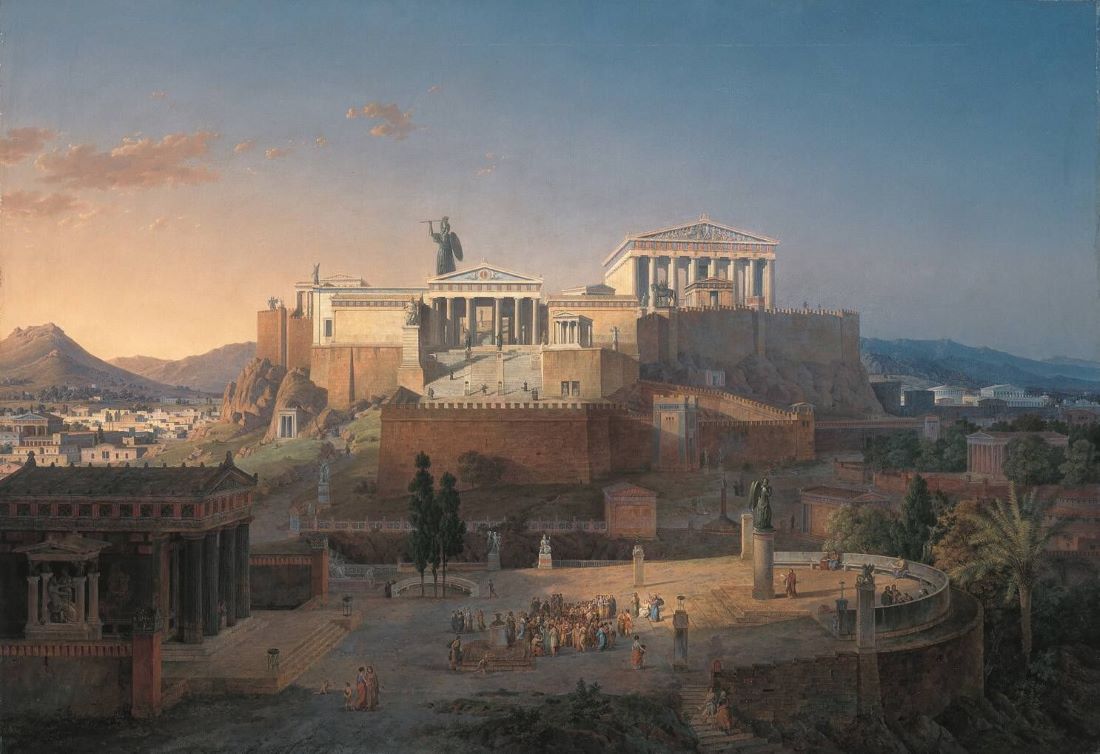
The Athenian Empire, often termed by historians as such, was not a classical empire in the traditional sense. This designation is more a product of historical interpretation than a reflection of its actual political structure. Among scholars, it is also known as the Delian League, essentially a coalition of city-states across ancient Greece with Athens taking the lead. This alliance was formed in the wake of the Persian Wars, marking a significant phase in Greek history where Athens emerged as a dominant maritime and military power, exerting influence over its allies more through strategic leadership and naval prowess than through direct imperial control.
The Formation of the Athenian Empire
The formation of the Delian League, or what is retrospectively called the Athenian Empire, can be traced back to the aftermath of the Persian Wars, around 478 BCE. In the wake of their victory against the Persians, the Greek city-states sought a formal alliance to safeguard their collective security and interests. Athens, having demonstrated formidable naval strength and leadership during the conflicts, naturally emerged as the leader of this new coalition. The primary objective was a mutual defense against Persian aggression, symbolizing a united Greek front. The league’s treasury was initially located on the sacred island of Delos, emphasizing its communal and religious significance to all members.

Over time, however, Athens began to exert increasing control over its allies, gradually transforming the league into an empire in all but name. The city-state enforced its dominance by requiring contributions of ships or money from league members, ostensibly for the common defense. However, as Athens grew more powerful, it started using these resources to build its infrastructure and navy, cementing its authority and influence throughout the Aegean. A pivotal moment came when Athens moved the league’s treasury from Delos to Athens, under the guise of security. This act symbolized Athens’ transition from primus inter pares (first among equals) to a hegemonic power that exploited the league for its interests, laying the groundwork for growing discontent among its allies.
The End of the Athenian Empire
The Delian League, initially established for mutual defense against Persian aggression, embarked on campaigns that significantly extended Greek influence across the Aegean. Under Athens’ leadership, the league successfully liberated numerous Greek cities from Persian control and secured essential trade routes, enhancing its economic and military prowess. This period also saw Athens redirect league resources towards its aggrandizement, including the construction of monumental structures like the Parthenon and the maintenance of a dominant navy. Such actions solidified Athens’ hegemony within the league, transforming allies into de facto subjects, and setting the stage for internal dissent.
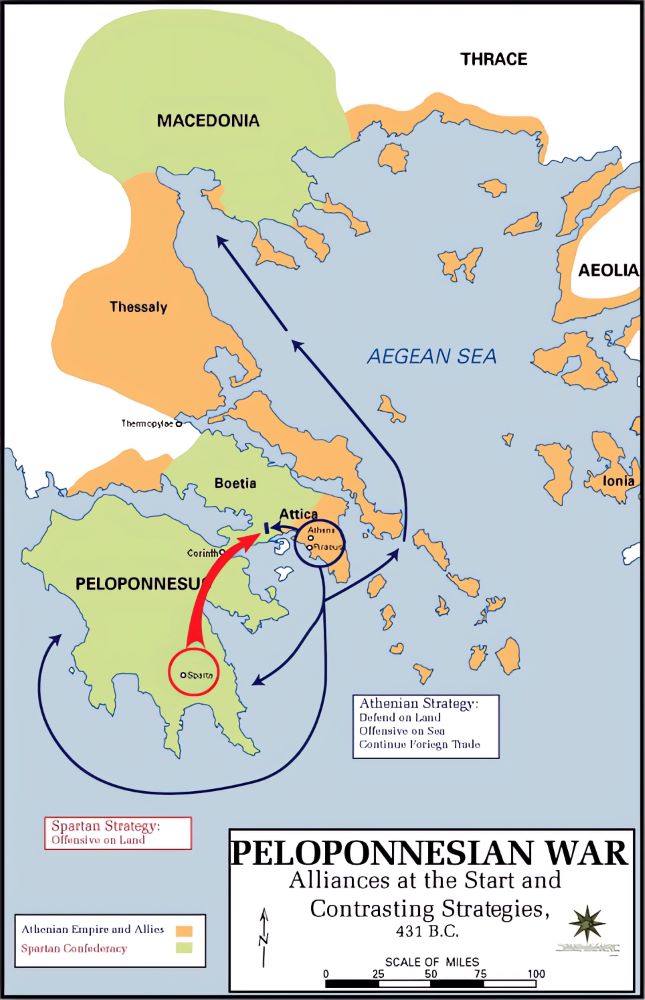
The league’s overreach and Athens’ coercive policies eventually led to its downfall, precipitated by the Peloponnesian War (431-404 BCE). The protracted conflict with Sparta drained Athenian resources and morale, undermining its authority among league members. Athens’ eventual defeat not only marked the end of its imperial ambitions but also led to the dissolution of the Delian League. This collapse illustrated the challenges of sustaining an empire through force and highlighted the ephemeral nature of power in the ancient world, leaving a lasting legacy on the historical narrative of classical Greece.
Currently Reading


Historical Challenge: Can You Conquer the Past?
Answer more than 18 questions correctly, and you will win a copy of History Chronicles Magazine Vol 1! Take our interactive history quiz now and put your knowledge to the test!