
 By istorija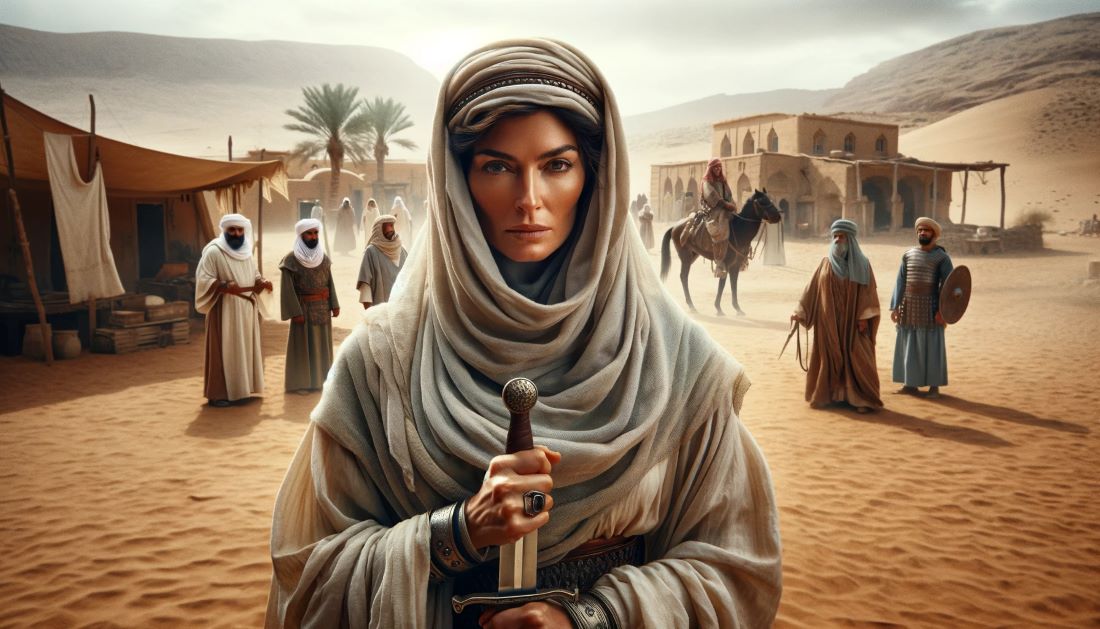
Mavia was a renowned Saracen warrior queen who ruled her nomadic people during the late 4th century, approximately from 375 to 425. She governed the southern parts of the Palestine province, an area pivotal for the security of the Roman Empire’s desert borders. Known for her military prowess and leadership, she led a significant rebellion against the Roman Empire, demonstrating strategic strength and securing peace on favorable terms. Her legacy as a powerful female leader in a male-dominated era underscores her historical significance.
Rebellion Against Rome
The rebellion of Mavia against Roman authority is vividly depicted. Historian Sozomen, known for his detailed chronicling, described this period as one not to be underestimated, even though it was led by a woman (Ermias Sozomen). Driven by what she perceived as an insult from the Romans demanding cavalry for their campaigns, Mavia, ruling the nomadic tribes of southern Palestine, transformed from a Roman ally into a formidable adversary. Her warriors unleashed havoc upon neighboring provinces, devastating locations such as monasteries on Mount Sinai and plunging the region into chaos. The Roman military, unable to counter this swift and relentless assault, found themselves negotiating for peace with the once-guardians of their desert borders.
The scholar Rufinus of Aquileia expressed dismay at how Mavia’s forces decimated the Roman troops, forcing many into retreat. This transition from allies to enemies posed a nearly insoluble problem for local Roman commanders, unprepared for the nomadic warfare tactics employed by Mavia’s forces. Sozomen detailed a significant battle where the Roman commander Julius, underestimating Mavia, was decisively defeated by her and her army. The aftermath saw the Romans, recognize the dire threat, offering terms of peace. To solidify this peace and mark her diplomatic prowess, Mavia married her daughter to the distinguished Roman military commander Victor, thus ending the conflict and establishing herself as a capable ruler, military leader, and diplomat.
Mavia, a Christian
Mavia was not only a fierce warrior queen but also a devout Christian, an identity that significantly influenced her leadership and demands during negotiations with the Romans. One of her critical conditions for peace was the appointment of Moses, a hermit known for his pious and miraculous life, as bishop for her people. This insistence highlights the importance she placed on the spiritual leadership and religious autonomy of her tribe. Moses, who later became known as Saint Moses or “Apostle of the Saracens,” was instrumental in converting a majority of her tribe to Christianity, adhering to the Nicene Creed, contrary to the Arian heresy supported by Emperor Valens and Patriarch Lucian. Mavia’s faith and her strategic demand for Moses’s appointment underscore her role as a protector and promoter of Christianity among her people.
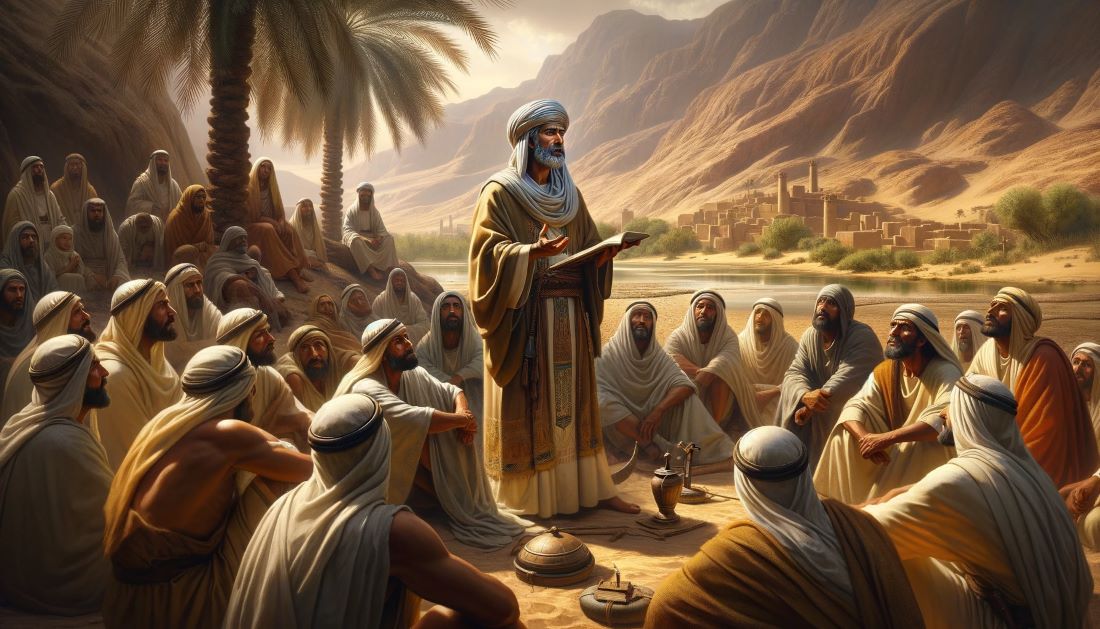
In her later years, Mavia continued to assert her influence, but her tribe faced setbacks. They launched a second revolt in 383 A.D. but were unsuccessful due to Theodosius I’s strategies. Mavia’s exact role in this revolt remains unclear as historical records do not specify her involvement. Eventually, Mavia passed away in Anasartha, East Aleppo, with an inscription confirming her death in 425 A.D. Her story of resilience and leadership remains a testament to her bravery and the impact one individual can have.
Currently Reading

Historical Challenge: Can You Conquer the Past?
Answer more than 18 questions correctly, and you will win a copy of History Chronicles Magazine Vol 1! Take our interactive history quiz now and put your knowledge to the test!