
 By istorija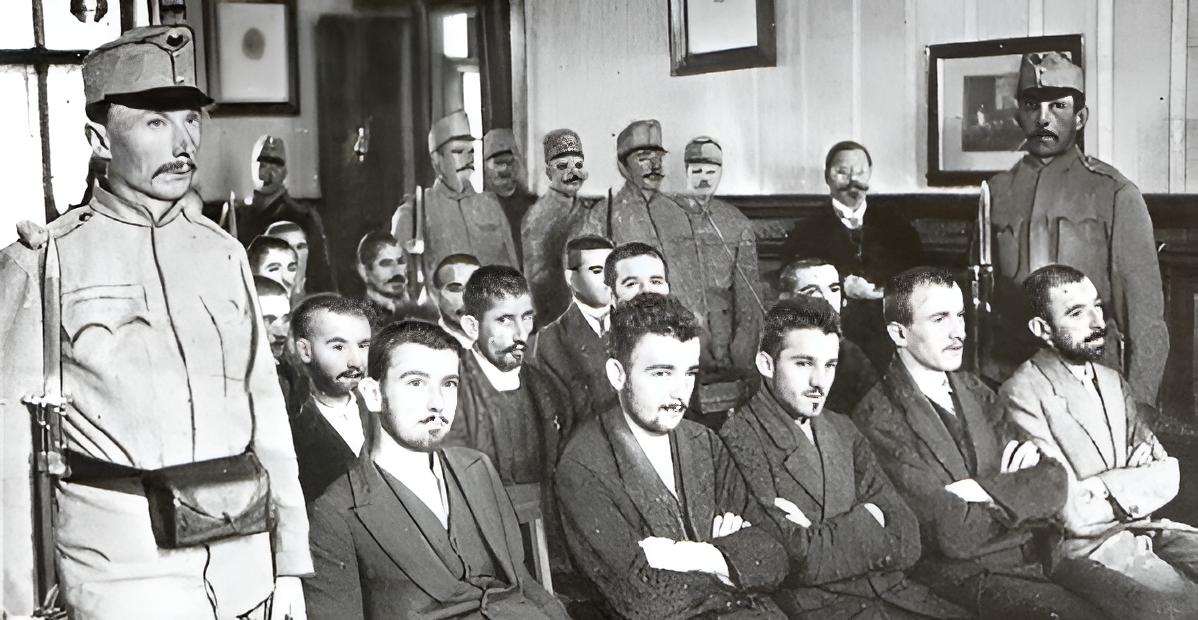
The name Gavrilo Princip is often met with a polarized reception. For some, he is a nationalist hero who struck a blow for Serbian independence and against Austro-Hungarian oppression. For others, he is seen as a terrorist whose actions precipitated a chain of events leading to the catastrophic First World War. Understanding Princip’s legacy requires a nuanced examination of the historical context, his motivations, and the consequences of his actions.
The Historical Context
Born in 1894 in the village of Obljaj, located in present-day Bosnia and Herzegovina, Gavrilo Princip’s formative years coincided with a period of intense nationalist fervor. The region was a significant center of ethnic tensions, a situation that was made worse by the weakening of the Ottoman Empire and the increasing influence of Austria-Hungary. Like many Serbs of his time, Princip considered Austro-Hungarian rule to be oppressive. He aspired to the unification of South Slavic peoples into a single, independent national state. Princip identified as a Yugoslav nationalist, reflecting a broader movement that sought to unite Serbs, Croats, and Slovenes, among other South Slavic groups, into a common nation. His actions were rooted in this ideology and the desire to liberate his people from foreign domination.

The Motivations
Princip was indeed a dedicated member of Young Bosnia (Mlada Bosna), a movement deeply influenced by a potent blend of radical nationalist and socialist ideologies. This organization’s primary objective was the liberation of South Slavs from the perceived yoke of Austro-Hungarian rule. They envisioned a future where these diverse ethnic groups, including Serbs, Croats, and Slovenes, would be united in a single, independent state, often referred to as Yugoslavia.
Inspired by these fervent ideals of liberation and unification, Princip and his fellow conspirators meticulously plotted the assassination of Archduke Franz Ferdinand, the heir apparent to the Austro-Hungarian throne. Their rationale was that by eliminating a key figure of the imperial power, they could strike a significant blow against the empire and ignite a widespread revolution among the oppressed South Slavic populations. They believed this act would serve as a catalyst, galvanizing the people to rise up and fight for their freedom and self-determination.
The Assassination
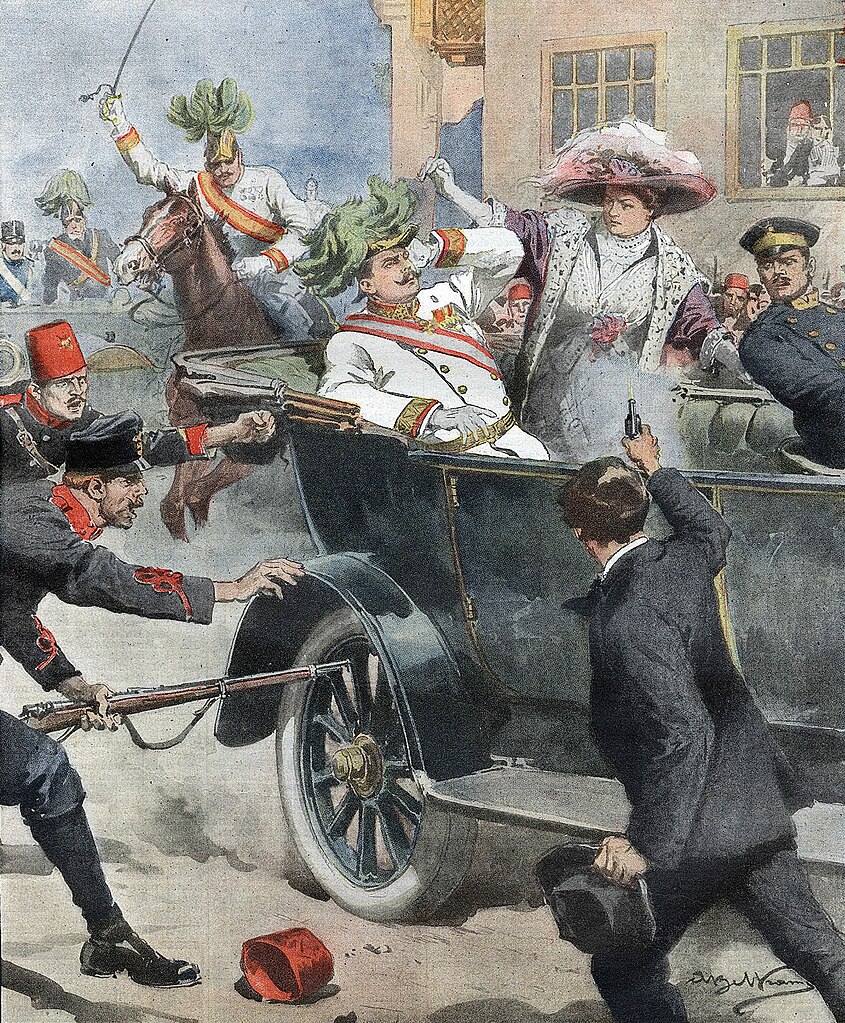
On June 28, 1914, a group of approximately six young Bosnian Serb revolutionaries, including Gavrilo Princip, strategically positioned themselves along the Appel Quay in Sarajevo, anticipating the route of Archduke Franz Ferdinand’s motorcade. Armed with bombs and pistols, their objective was the assassination of the Archduke, whom they viewed as a symbol of Austro-Hungarian oppression. The initial attempt involved Nedeljko Čabrinović throwing a grenade at the Archduke’s car; however, it missed its target, injuring those in the following vehicle. Following this failure, and believing their chance had passed, some of the conspirators, including Princip, dispersed from their planned locations.
In an unforeseen turn of events, a navigational error by the Archduke’s driver inadvertently brought the motorcade down Franz Joseph Street, directly in front of where a despondent Gavrilo Princip was standing near a sandwich shop. Seizing this unexpected opportunity, Princip fired two fatal shots into the open car, striking Archduke Franz Ferdinand and his wife, Sophie. This act, born from a combination of revolutionary fervor and a striking stroke of chance after an initial failure, served as the immediate trigger for the complex series of events that rapidly escalated into the First World War.
Consequences and Legacy
The consequences of Gavrilo Princip’s assassination of Archduke Franz Ferdinand were far-reaching, most significantly triggering the First World War. This global conflict resulted in immense loss of life and a radical reshaping of the 20th century’s political map. Consequently, a common viewpoint regards Princip as a terrorist, holding his act of violence responsible for the war’s devastating repercussions.
However, it’s essential to consider Princip within the historical context of intense nationalism and imperial decline. For many, particularly within the former Yugoslavia, he is viewed as a symbol of resistance against Austro-Hungarian oppression, a young man fueled by a powerful desire for the self-determination of South Slavic peoples. This perspective contrasts sharply with the condemnation he faces in other narratives. The assassination, while the immediate trigger, was not the sole cause of the war. Rather, it acted as the final catalyst, exacerbating already heightened tensions stemming from earlier crises such as the Moroccan and Bosnian Annexation Crises – the last drop in an already overflowing vessel of European rivalries.
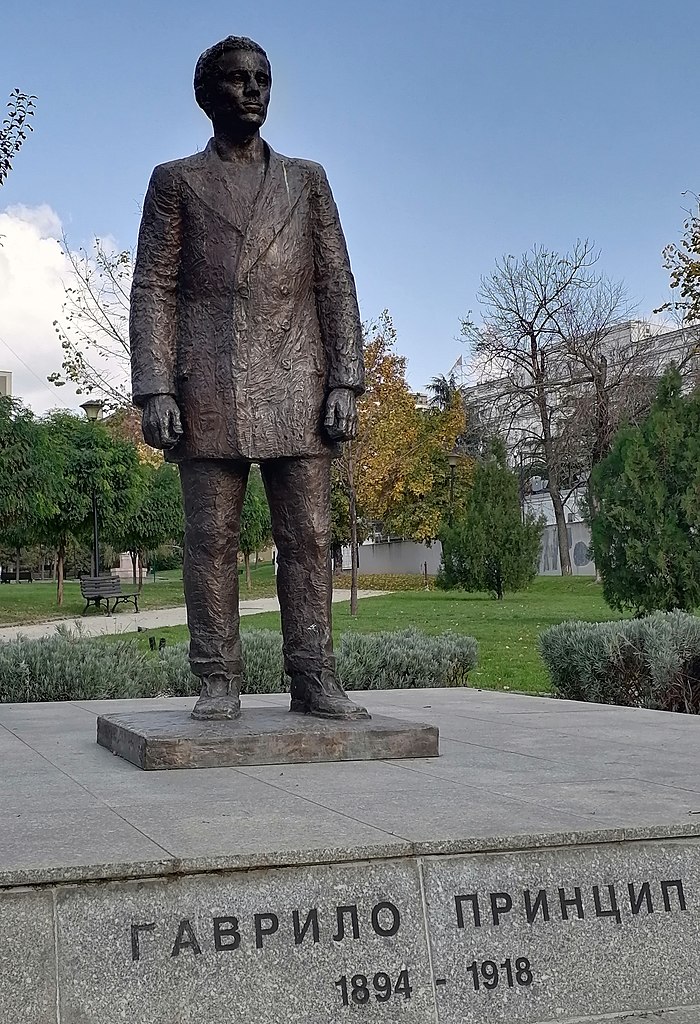
Ultimately, the interpretation of Gavrilo Princip’s legacy remains deeply divided. Whether he is remembered as a terrorist or a hero largely depends on individual perspectives concerning nationalism, imperialism, and the ethical justifications for political violence. His actions undeniably altered the course of history, and his complex figure continues to provoke significant debate among historians and the public, necessitating an understanding that encompasses both his individual motivations and the broader, volatile historical landscape of his era.
Currently Reading
Historical Challenge: Can You Conquer the Past?
Answer more than 18 questions correctly, and you will win a copy of History Chronicles Magazine Vol 1! Take our interactive history quiz now and put your knowledge to the test!