
 By istorija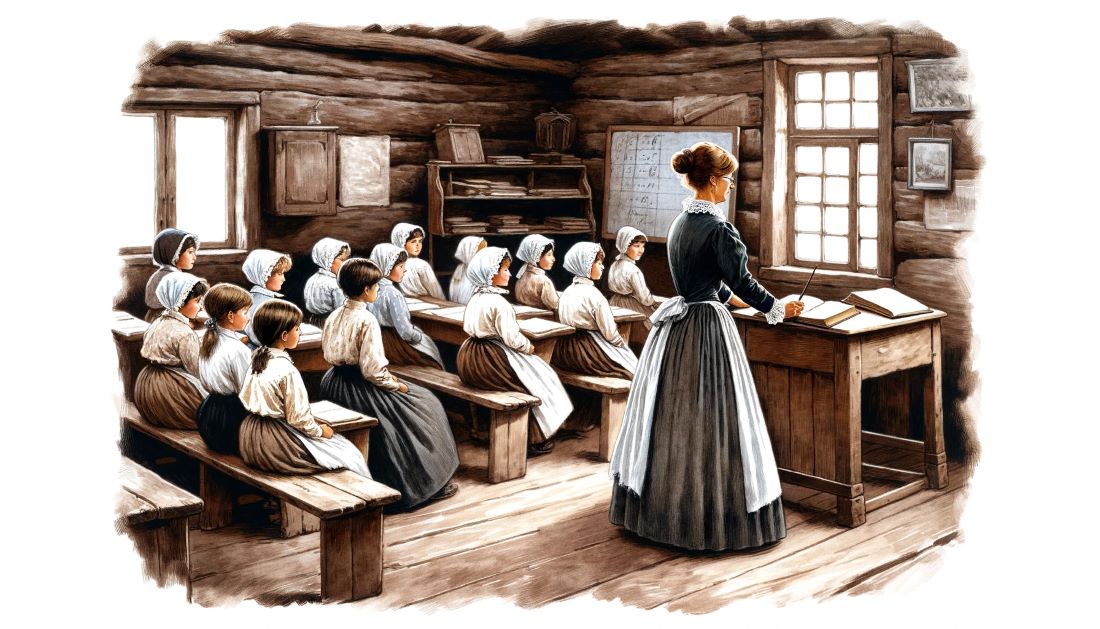
Miss Adeline Paulina Irby, born into English privilege in 1831, became a notable humanitarian in the Balkans. Her life transformed from comfort to commitment, as she partnered with Georgina Muir Mackenzie to aid in war-torn regions. Through establishing schools and aiding refugees, Irby significantly impacted the local communities. Her story exemplifies a journey from privilege to profound service during a turbulent historical period.
Early Life and Motivation of Adeline Paulina Irby
Adeline Paulina Irby was born into affluence on December 19, 1831, in Norfolk, England. Her father, Rear Admiral Frederick Paul Irby, was a respected naval officer, and her mother, Frances Wright, came from a wealthy banking family. Adeline grew up in Boyland Hall, enjoying the privileges of her upper-class upbringing. After her parents’ deaths, she moved to London, where she lived with her sister and deepened her interest in education, studying classics, languages, and sciences.
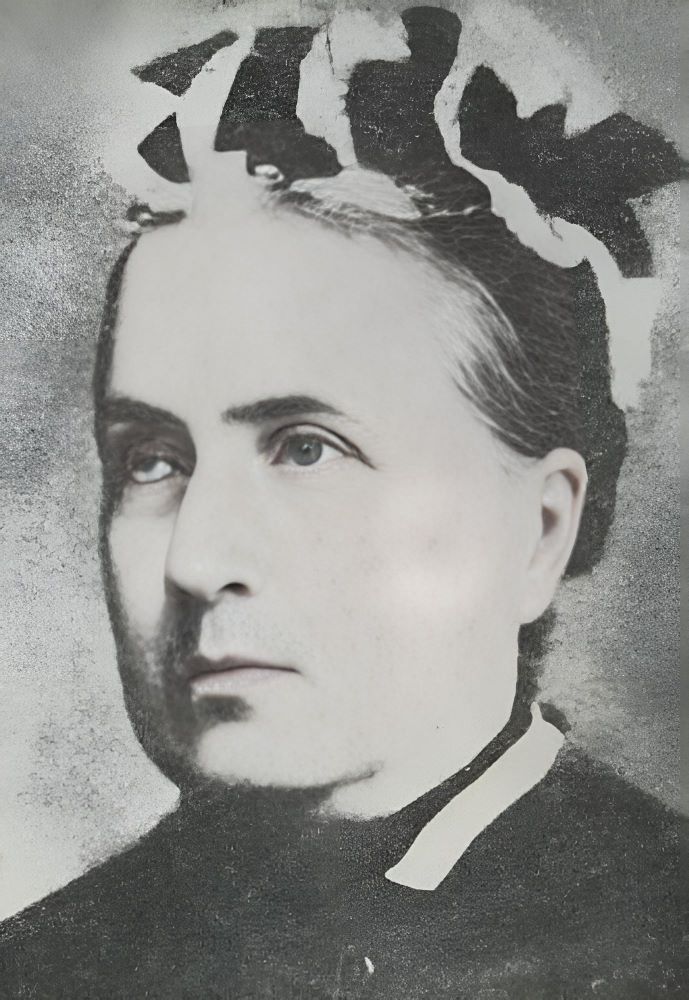
Adeline’s commitment to humanitarian causes was shaped by her upbringing in Victorian England and her strong Protestant faith. Influenced by her father’s active role in the abolitionist movement and his efforts against slavery, she developed a passion for progress, education, and freedom. These values guided her work in the Balkans, focusing on the education of Bosnian raja and women’s advancement. Adeline’s motivation was further fueled by the evangelical movement in the Anglican church, emphasizing philanthropy and social reform.
Adeline Irby’s Travels and Connection to Bosnia and Herzegovina
Upon arriving in Bosnia and Herzegovina, Adeline Paulina Irby and her companion, Georgina Muir Mackenzie, were confronted with the country’s dire poverty, primitive living conditions, and the lack of education, especially for Christian girls. To address this, they established an institution for local Slavic girls. After returning to England, they formed a committee to gather funds for opening a school (Association for the Promotion of Education Among the South Slavonic Christians in Bosnia and Herzegovina). Despite Adeline’s initial suggestion to open the school in Belgrade, the Institute for Serbian Girls was eventually established in Sarajevo in 1869.
The school provided boarding and education at no cost. Initially, it was attended by both Orthodox and Catholic girls, but the latter group eventually left due to rumors that Adeline was spreading Protestantism through her school. The plan was to educate Serbian girls, who would then return to their native places as teachers. The Institute primarily accepted orphans or girls from impoverished backgrounds, offering them not only education but also protection and security. Over time, the Institute became a reputable primary school where the basics of literacy and other subjects were taught.
Adeline Paulina Irby’s dedication to assisting refugees during the uprising of 1875-1878, when people fled Turkish oppression to Austro-Hungarian territories, was a significant aspect of her humanitarian work. From 1875 to 1879, she spent nearly four million kronas on their aid. Her commitment led to the establishment of 22 schools, staffed by 23 male and one female teacher, addressing the educational needs of these displaced populations. Some older boys who acquired literacy skills were even employed as apprentices in trades. Despite challenges from Roman Catholic proselytization efforts and Austrian authorities’ suppression, Irby remained steadfast in her mission to educate in the spirit of Serbian culture and traditions.
Legacy of Adeline Paulina Irby
Adeline Irby’s legacy in Serbian culture and tradition is profound and enduring. Fondly remembered as “plemenita” (noble or honorable) Miss Irby and the “Serbian Mother,” deeply connected with the Serbian people, dedicating her life to their welfare and development. Her commitment to Serbia was not only in her living years but extended beyond her death on September 15, 1911, when she was buried in the Evangelical Cemetery in Sarajevo. In her will, she bequeathed a significant estate of one million kronas to the “Prosvjeta” society and the “Charitable Cooperative of Serbian Women” in Sarajevo.
Her humanitarian work earned her high honors and recognition, including the Takovo Cross from King Aleksandar Obrenović, the Order of St. Sava of the Second Degree from King Petar I, and the Danilo Cross from the Montenegrin King Nikola Petrović. The newspaper “Bosanska Vila,” a publication of the Serbs in Bosnia and Herzegovina, paid homage to Adeline Irby upon her death with these words:
“In creating nests of her good deeds, she also made the honeycomb of her joy; not seeking gratitude from us, she was happy to make us less miserable. She most kindly embraced those who needed tenderness the most; among our people, the most ailing poor, among the poor, the children, and among the children, the female weak.”
This tribute reflects the deep appreciation and respect the Serbian community in Bosnia and Herzegovina held for her.
Currently Reading


Historical Challenge: Can You Conquer the Past?
Answer more than 18 questions correctly, and you will win a copy of History Chronicles Magazine Vol 1! Take our interactive history quiz now and put your knowledge to the test!