
 By istorija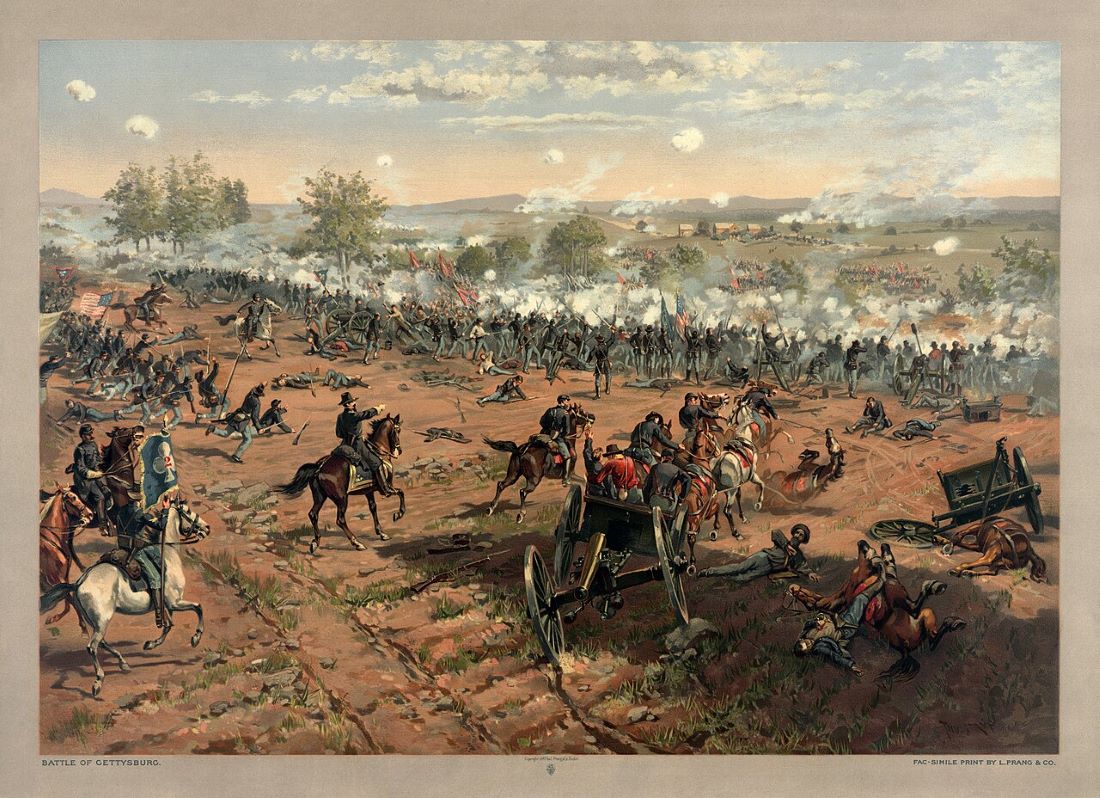
In the expansive study of American history, there is ongoing debate over which battle—Gettysburg or Vicksburg—should be regarded as the definitive turning point of the American Civil War. Both battles, occurring in July 1863, were pivotal in altering the course of the conflict, yet opinions differ on their respective impacts. Was it the intense three-day clash at Gettysburg that halted the Confederate invasion of the North, or the prolonged siege of Vicksburg that secured Union control of the Mississippi River and effectively divided the Confederacy? This analysis explores the significance of each battle, examining the context, the military and political consequences, and why both are often seen as crucial moments in the war.
The Battle of Gettysburg
The Battle of Gettysburg, fought from July 1 to July 3, 1863, is often considered the high-water mark of the Confederacy. General Robert E. Lee’s decision to invade the North aimed to ease the strain on Virginia’s war-ravaged landscape, gather supplies, and potentially influence European powers to recognize Confederate independence. However, the battle quickly escalated into the war’s bloodiest confrontation, with estimated casualties on both sides totaling approximately 51,000.
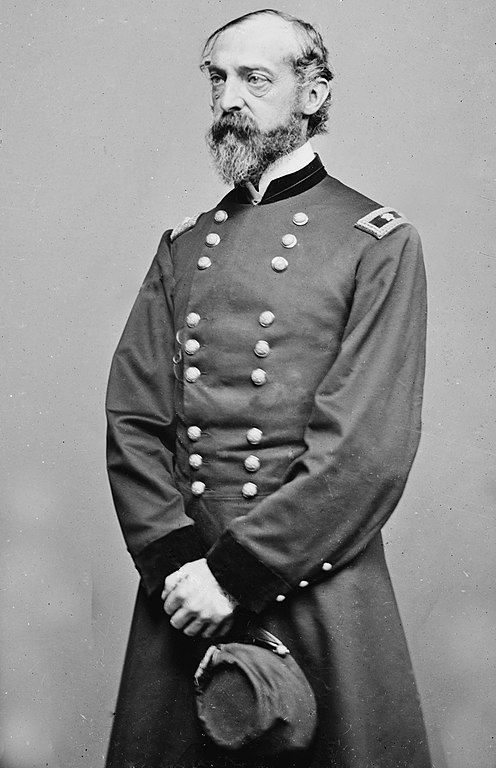
Gettysburg’s significance lies not only in the scale of the battle but in its aftermath. The Union victory, under General George G. Meade, ended Lee’s invasion and marked the beginning of a steady decline for the Confederate Army. The battle represented the Confederacy’s best opportunity to achieve a decisive victory on Northern soil. The loss devastated Southern morale and strengthened Northern resolve, leading President Abraham Lincoln to deliver his famous Gettysburg Address, which redefined the war’s purpose in terms of liberty, equality, and the preservation of democracy.
The Battle of Vicksburg
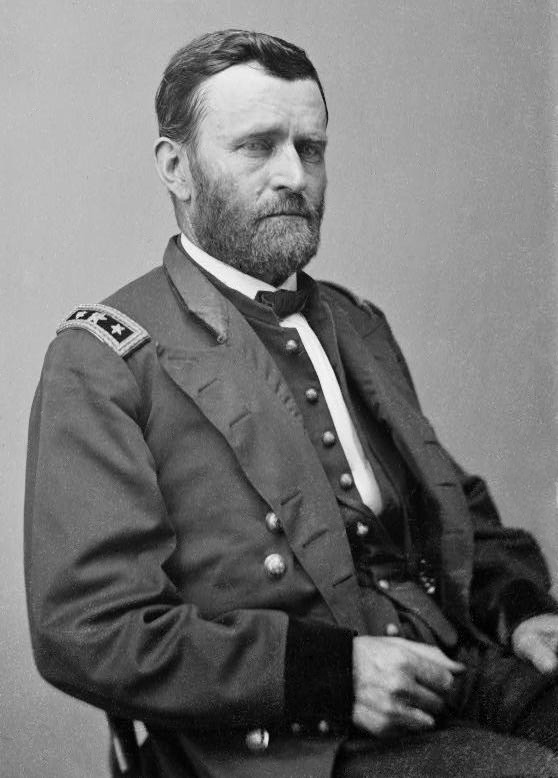
While Gettysburg captured public attention, the Battle of Vicksburg, culminating on July 4, 1863, was equally, if not more, critical in determining the war’s outcome. The siege of Vicksburg, led by Union General Ulysses S. Grant, was part of a broader campaign to gain control of the Mississippi River. Vicksburg, known as the “Gibraltar of the Confederacy” due to its formidable defensive position and strategic importance, was the last major Confederate stronghold on the river.
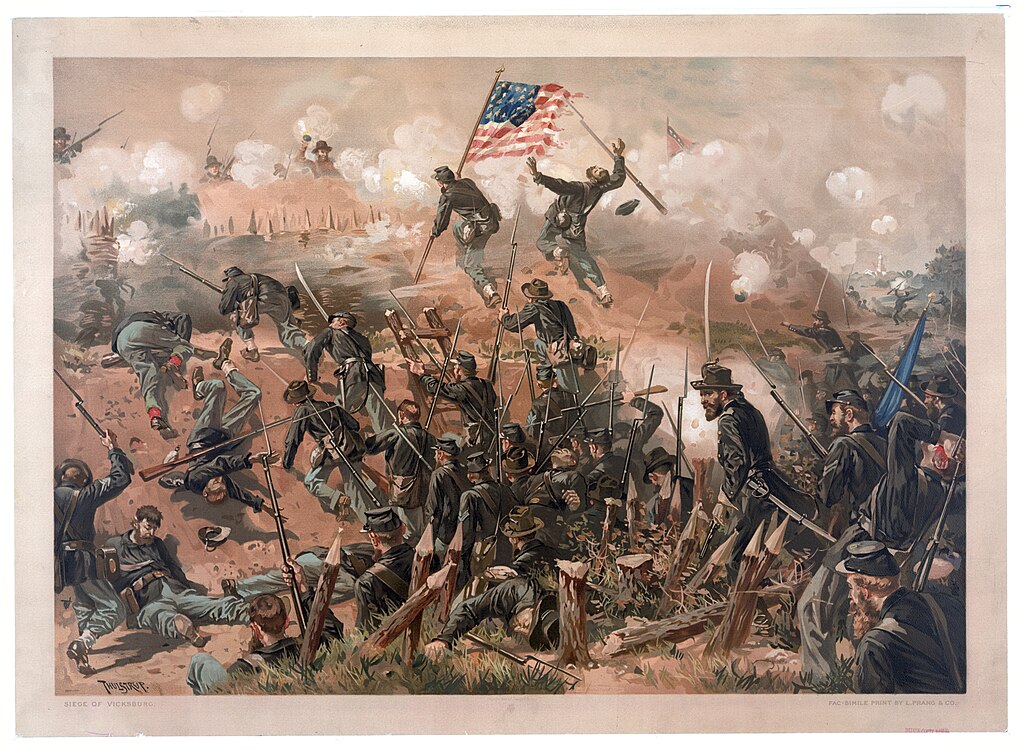
The fall of Vicksburg had profound strategic consequences. By securing the Mississippi, the Union effectively split the Confederacy in two, isolating Texas, Louisiana, and Arkansas from the rest of the Southern states. The victory at Vicksburg not only crippled Confederate logistics but also elevated Grant’s reputation, eventually leading to his appointment as the commander of all Union armies.
Comparative Analysis and Conclusion
When comparing Gettysburg and Vicksburg, it becomes clear that each battle played a unique and critical role in the Union’s path to victory. Gettysburg was a decisive psychological and military blow to the Confederacy, ending Lee’s aspirations in the North and bolstering Northern morale. In contrast, Vicksburg was a strategic triumph, severing the Confederacy and granting the Union control of the Mississippi River, a key objective of the Anaconda Plan.
Both battles had far-reaching consequences that shaped the remainder of the war. While Gettysburg may symbolize the turning point on the Eastern front, Vicksburg represents the strategic turning point in the Western theater. The combination of these victories, occurring almost simultaneously, marked July 1863 as the moment when the tide of the Civil War definitively turned in favor of the Union.
In conclusion, rather than debating which battle was more significant, it is essential to recognize that Gettysburg and Vicksburg were complementary victories that together sealed the fate of the Confederacy. These battles, in their respective ways, were the turning points that led to the eventual reunification of the United States.
Currently Reading
Historical Challenge: Can You Conquer the Past?
Answer more than 18 questions correctly, and you will win a copy of History Chronicles Magazine Vol 1! Take our interactive history quiz now and put your knowledge to the test!